Opening Reflection and Land Acknowledgement
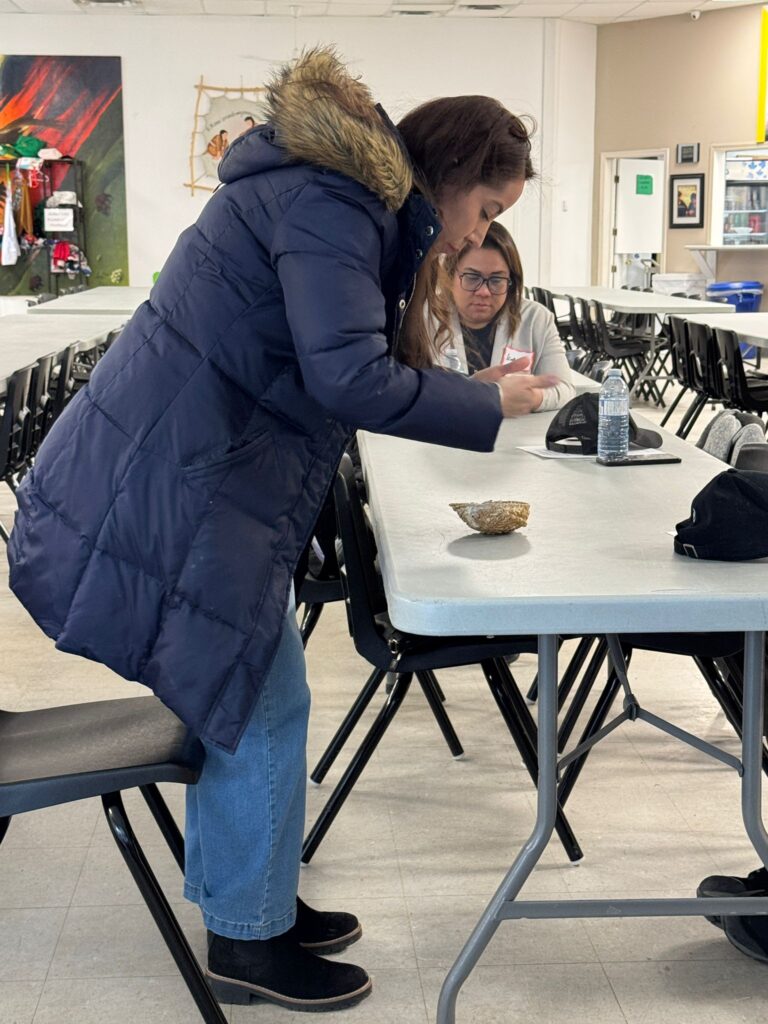
This special community engagement happened in the unceded or un-surrendered, traditional and ancestral land of the Halkomelem speaking peoples. Halkomelem is a common language spoken by the many First Nations, the original residents and stewards of the Coast Salish territory since time immemorial. This place is currently part of Metro Vancouver, the city of New Westminster to be exact, which is the oldest city and the first capital of the Crown Colony of British Columbia. Thus, this place bears the official, architectural, structural evidence of the historical and ongoing displacement and devastation of the Indigenous Peoples in the West Coast through the process of settler colonialism.
Immigrant and Racialized Communities, Reconciliation, and Decolonization
As immigrant cultural and racialized communities, we must also reflect on our roles in the continued injustices against the Indigenous Peoples. As uninvited guests and immigrant settlers, we are immensely grateful to be able to share the wealth and resources of this land, taken care of by our Host Nations for centuries. I am personally deeply thankful to the Frist Nations for teaching us the values of the land, the central place of the land in our lives, and the importance of acknowledging and taking care of the land for our future generations. We also need to ponder how we can participate in the reconciliation and decolonization process. Engaging in conversations with community members about positive peace, healing and building inner peace and centering peace through the alignment of our mind, body, and spirit can be considered as small steps towards the complex, lengthy, and ongoing process of decolonization.
Participants and Community Voices
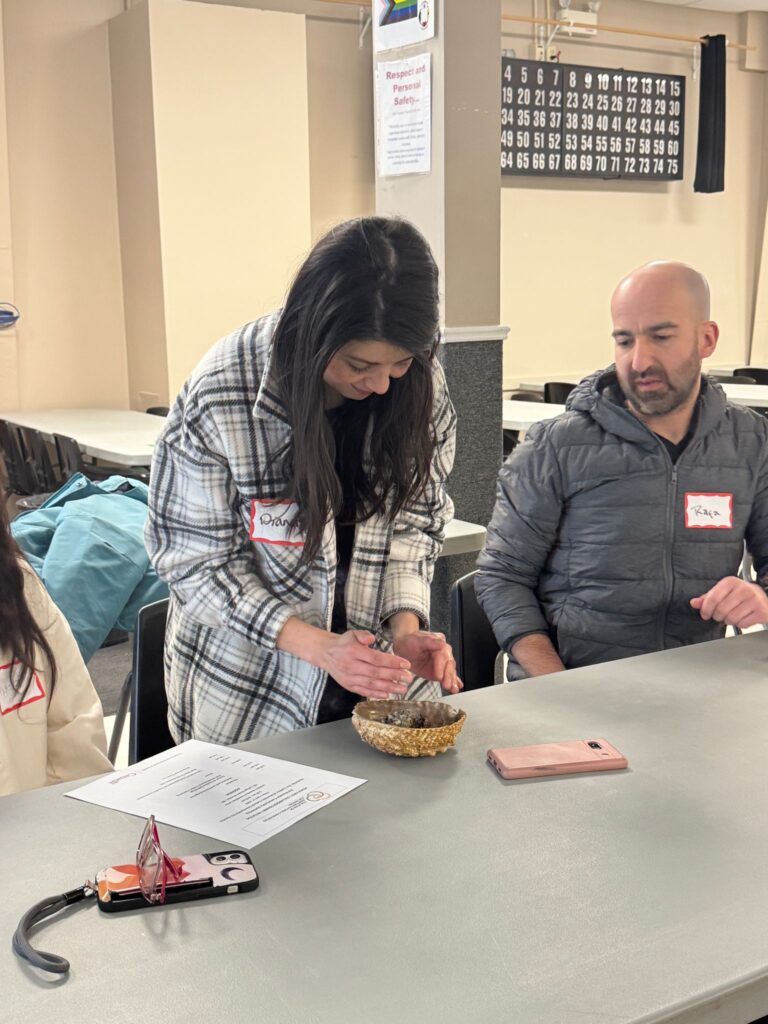
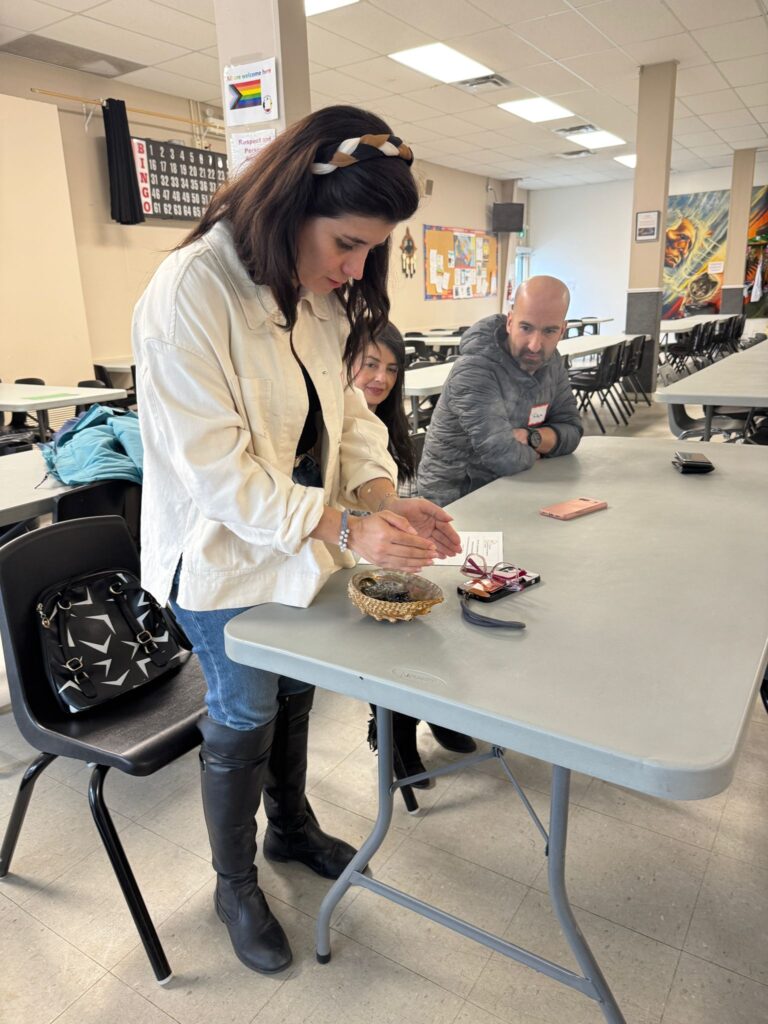
It was an honor for us to have three veteran members from the Baloch community; two of them had attended the previous engagement. We had a couple of younger participants from the Afghan and Bangladeshi communities; both active in community cultural and creative fields in Canada. Finally, we had an Indigenous leader and healer among us and at our request he ended the session with guided meditation. All participants brought years of experience and activism in their country of origin and a rich repertoire of skills as writers, poets, storytellers, filmmakers, producers, artists, community leaders, knowledge keepers and healers. We facilitated the engagement process for them to come together because all of them are passionate about building a better world through mutual trust, justice, and inner peace.
Peace-First in a Complex World
The participants generally agreed that the current world is run by a system driven by greed and fear of scarcity whereas intangible resources, strengths and abundance in communities are undermined by colonial systems. There are so many issues such as capitalism, wars, torture cells, violence against women, injustices, racism and intergenerational trauma that are not conducive to peace building and too big to be addressed by racialized communities and individuals alone. As resourceful individuals and community members we can focus on building inner peace by focusing on our bodies and minds to restore balance rather than getting absorbed and lost in the chaos around us. By taking a proactive approach, we can ensure inner peace before conflicts happen and be ready to encounter conflicting issues with preparedness and appropriate skills. Peace First is a framework that can be applied anywhere and everywhere at a micro level by concentrating on individuals because people skilled in building inner peace can engage in conversations and activities necessary for building positive peace in families, communities, and nations. However, building both positive and restorative peace can be useful and complementary in a complex world faced by poly-crisis.
Exploring Future Direction
Given the enthusiasm and abundance of ideas, knowledge, experience, stories, and skills in this group, we wanted to explore where the members would like to go and what they would like to do to secure and spread inner peace. We also asked how they would want to incorporate the Peace First framework in this group activities. The importance of sharing stories, conducting healing sessions in nature, and involving youth leadership was highlighted. The group agreed to meet every couple of months or so based on the interest and convenience of the members. It was also decided that a WhatsApp group will be created to facilitate communication for organizing the next engagement session in May/June. Summarized themes from the rich engagement conversations and discussion are presented below.
Summarized Themes from the Engagement
1. Peace as an Inner, Family, and Community Question
A major theme is that peace was not treated only as a public or political issue, but as something that begins inside the person, then moves through family, and then into community. The discussion keeps returning to what “inner peace” means and how families and communities can help people return to it.
2. Land, Belonging, and Decolonization
The opening frames peace through land acknowledgement, Indigenous knowledge, and the idea that land is a relationship rather than property. There is also a strong theme that peace-building requires reflecting on colonization, displacement, and the need to decolonize mind, body, and community life.
3. Colonized Systems as Sources of Separation and Lacking Peace
Another central theme is that colonized systems divide people from land, from each other, from ancestors, and even from parts of themselves. The conversation contrasts those systems with connection, unity, and relational ways of living.
4. Youth Safety, Youth Voice, and Youth Leadership
There is a repeated concern that many young people are not feeling safe or at peace, and that adults often fail to ask them directly what peace means. The discussion also pushes back against the idea that youth are “not ready,” arguing instead that young people are already leading and should be brought into the conversation in real ways.
5. Trauma, Displacement, and Resilience
Participants speak from experiences of exile, violence, torture, cultural loss, and intergenerational pain. So, the discussion is not abstract. Peace is being discussed as a response to deep personal and collective trauma, and also as a way of surviving and rebuilding.
6. Storytelling, Culture, and Traditional Practices as Healing Tools
The group highlights storytelling, dance, ceremony, connection to soil, water, and ancestral ways as ways to restore peace and identity. This suggests that healing is not only clinical or institutional, but also cultural, relational, and embodied.
7. The Body, the Senses, and Practical Ways of Returning to Peace
A strong thread is the role of the body and nervous system: breathing, noticing, meditation, guided reflection, being in nature, and sensing what is happening inside oneself. Peace is treated as something felt, practiced, and restored, not just defined.
8. Limits of Government and the Need for Community-Led Action
There is also frustration with governments and systems that do not truly hear communities. The conversation leans toward community-led, relationship-based action rather than waiting for institutions to solve everything.
Youth Focus – Expansion
Youth were not framed as future leaders only. They were framed as current leaders whose voices need to be heard now. Martin stressed that adults often assume young people are “not ready,” when in fact they are already acting, organizing, caring, and responding within their communities. He argued that part of the task is to stop over-managing youth and instead listen, learn, and create conditions in which they can shape the direction themselves.
That youth thread also connected back to the earlier discussion on peace. One of the strongest insights raised was that many children and young people are not at peace, and that adults often do not ask them directly what peace means to them. The conversation suggested that if communities want to build lasting peace, they must pay serious attention to young people’s inner worlds, their sense of safety, and their own ways of expressing leadership. The discussion was moving toward a model where peace-building is not done for youth, but increasingly with youth and eventually led by youth in many settings.
What Had Been Established by the Group
By the time the group reached the next steps, several things had already been established. First, the group had grounded itself in lived stories of trauma, loss, and resilience. Second, it had linked peace to land, body, ancestry, and relationship. Third, it has opened a critique of systems that divide and disconnect. Fourth, it had begun to identify storytelling, reflection, and connection to nature as restorative practices. And fifth, it had made clear that youth leadership should not be a secondary theme, but part of the core future direction of the work.
This is why the next steps unfolded as they did. When the group finally turned to what should happen next, they spoke about continuing to meet, likely once a month, gathering in nature, sharing stories, staying grounded in relationships, and allowing the process to emerge rather than forcing it. They also affirmed that this work should keep developing in a way that includes deeper connection to land and stronger attention to youth as active participants and leaders.
Before deciding what to do next, the group first named the realities they carry: colonization, exile, trauma, disconnection, and the search for peace. Out of that came a shared recognition that healing must involve story, land, body, relationship, and a stronger commitment to listening to and lifting youth leadership now, not later.
The group seemed to agree on continuing as a self-directed circle, rather than waiting for someone else to run it.
Emerging Next Steps
1. Keep Meeting Regularly
They discussed meeting again about once a month, for a couple of hours, rather than every week.
2. Meet in Nature / On the Land
By the end, there was strong agreement that future gatherings should not just be in a room, but should happen in nature, with the earth and land becoming part of the gathering itself. This became one of the strongest practical directions for the next meeting.
3. Focus on Earth, Land, and Connection
The next round was moving toward a deeper focus on the relationship between people and the earth, including reconnecting with ancestral understandings of land, water, and belonging. One participant summed this up by saying the future conversation should be “about the Earth,” and another emphasized reconnecting people to how their ancestors related to land.
4. Continue Storytelling
They proposed that the group should keep going through story-sharing, because stories help people go deeper, clarify purpose, and bring forward lived experience. They also noted that filmmakers and media makers in the room could help record and share those stories.
5. Bring in More People, Especially Youth
A recurring next step was to involve more people and especially young people, but not as a project controlled by adults. The emphasis was on creating space for youth to plan, lead, and shape the conversation themselves.
6. Explore Practices That Help People Return to Peace
The conversation also pointed toward future gatherings including guided reflection, meditation, body awareness, sensing, and connection with water/land as practical ways to restore peace in the midst of stress and trauma.
Plain Language Summary of Next Steps
So, in plain language:
When the group comes back together, they will likely meet monthly, ideally in nature, and focus on earth-based connection, storytelling, inner peace practices, and how to bring in youth and others in a more organic, community-led way.
There was also a clear spirit of letting the process emerge rather than over-planning it, so the next gathering was less about a fixed agenda and more about continuing the circle in a grounded way


 Previous Post