A Note to the Reader
When I re-read this piece while still writing, editing, improving, and finalising it, I noticed that the writing felt distracted, even a bit flurried. The narrative shifts between basic description, summary of the youth-centred Roundtables, and my own reflections on how I experienced these two sessions.
In my role as a facilitator, and as an older person in the room, it felt equally important to do all of these things at once as I collected my thoughts. So, dear reader, do bear with me.
Opening the Conversation
For Cyrus, my colleague and co-facilitator, and myself (Alka), opening these Peace-First Roundtable conversations with youth between the ages of 14 and 21 was a privilege. It was both revelatory and inspiring.
We began in our usual Peace Roundtable way, with questions such as:
How do you understand peace?
What does it mean to you?
Does peace matter?
These foundational questions opened the door to deeper ones: What conditions need to be in place in the world for peace to be realised? Can each of us, individually or collectively, contribute to creating these conditions?
Young Wisdom in Troubled Times
It was surprising to hear the wisdom these young people had already gathered in their young years of living through troubled times.
It was also saddening to hear the matter-of-fact way one of the 15-year-olds said that “the expectation of peace is an unrealistic aspiration and an empty dream,” while other young heads in the room nodded in agreement.
That statement also stood out because I had not heard such a sentiment expressed by adults in the Peace Roundtables. Perhaps growing up through the COVID-19 pandemic, and now witnessing war unfolding frame by frame every day, makes young people grow up fast?
The Context of These Conversations
These two youth-centred conversations were held with young residents of underprivileged neighbourhoods in downtown Toronto. Many families in these communities are low-income, racialized, immigrant, refugee, or newcomer families.
The sessions were held during the four-week period following the start of the current and ongoing war. Uncertainty, fear, and disbelief were the predominant emotions at this time.
The first roundtable took place within days of the start of hostilities. By the second one, suffering, destruction, injury, death, and forced displacement had become our everyday headlines.
There is no right time for young people to witness images of war and devastation. As parents and guardians, we try to shield our children from dangers they should not have to see. We try to protect them from everyday harms too, such as bullying in school hallways or exploitation on social media.
And now there was a new normal: missiles, bombs, drone attacks, and a full-scale war spreading like wildfire across many regions.
What Peace Meant to the Youth
When asked what peace meant to them, the young people offered several responses:
- Peace was feeling calm, not conflicted, with nothing bothering them.
- Peace was safety, equality, justice, and no judgement.
- Peace was learning to accept things.
- Peace was happiness after receiving something special or accomplishing a goal.
They saw inner and outer peace as interconnected: one leading to the other, and one being impossible without the other.
Another person described peace as “when people are not being physically or mentally hurt.”
Other responses included:
- Peace was happiness, well-being, people gathering around the table, and a sense of family and community.
- Peace meant living with respect, not feeling insulted or uncared for.
- Peace was a time and place where there are resources for everyone and where everyone’s needs are met.
- Peace also meant the ability to choose, the freedom to be who they wished to be, not worrying about fitting in, but feeling accepted in their specific and unique identity.
Unpeaceful Times
Homelessness and poverty came up as signs of unpeaceful times.
We talked about people living in encampments, sleeping on sidewalks on cold winter nights, and whether they had chosen that life; did they have agency to choose another way to live?
We asked whether our societies have safe spaces to speak about the root causes of such vulnerability. We also spoke about how difficult it can be to stop on the street and speak to a stranger who seems to be in distress.
The bystander effect came up too: witnessing racism or bullying on a city bus, freezing instead of acting, and later feeling confused or guilty for not living by the values we hold dear.
Many of us have been there.
Someone reminded us that we do not always have to be strong. It is okay to be vulnerable, to lean on each other, and to support one another. Someone mentioned that they loved the song, “Lean on Me,” by Bill Withers.
Seeing Each Young Person Fully
We wanted to see each person in the room for who they uniquely and fully were — not as part of a homogenous group called “youth.”
We wanted to learn what we could about each person in the limited time we had: what made them happy, what helped them feel peaceful, and even what subject at school they most disliked.
Using Strengths to Make Peace Happen
As a follow-up question, we asked how they would use their strength, or what they thought of as their superpower, to make peace happen.
One young person said they would cook a meal from their culture, coconut pie, and share it first with people close to them. Then they imagined opening a small shop so they could share it more widely.
Another spoke about playing drums to communicate peace and teamwork, using the human body as an example: the body can only operate when all organs work together.
Another young person suggested busking near a seniors’ home to bring music to those who cannot afford to pay for a concert.
Others spoke of not stressing over little things, giving someone a compliment, offering kindness, and bringing a smile to someone’s face.
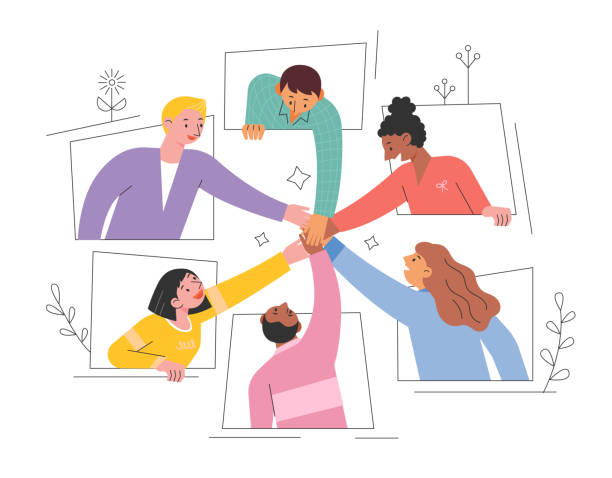
One young person said, “We’re all in this together.” They added that inner peace cannot be achieved without outer peace, because to have inner peace we must live in peaceful communities.
Why These Conversations Mattered
It was both ironic and urgent that these youth Peace Roundtables were happening at this strange time in history.
But it was also special to have the opportunity to engage with young people, to learn about them and from them, while also sharing our own thinking and insights.
We asked them whether it mattered to them that those being killed in war lived far away from us here in Canada, or that the war did not pose any immediate danger to our safety.
We helped them understand that although it does help that drone strikes are not happening to us while we sleep in our beds at night or when we walk through Toronto streets by day; but if we only think selfishly about the impact of global conflicts and social problems on our own lives, how can we help each other learn care, empathy, kindness, and connection with strangers?
Should we only be concerned about wars and conflicts when they happen where we live, or where our families and loved ones live?
I do not think so.
That would be limited, short-sighted, and inhumane.
A Closing Reflection
Peace may only become possible when we are more thoughtful, when we feel connection and solidarity with each other, and when we speak out, individually and collectively.
We must call out injustice, feel outrage when human rights are eroded, and pay attention when the rule of law is disregarded. Our democratic institutions are the pillars that keep us strong and stable, and we must fight to protect them every day.
The last National Peace Roundtable in Toronto for the Peace-First project is coming up soon.
Do stay tuned for my recap.
Stay safe, and be kind to each other.

 Previous Post